Home insulation in Fort Walton Beach FL - an upstairs that finally holds its cool
Hot bedrooms upstairs and a power bill that climbs every summer? We find what's wrong in the attic first, then fix it in order.
What does insulating a Fort Walton Beach house involve?
Home insulation in Fort Walton Beach means adding insulation to the attic, floors, crawl space and rim joists, the boards where your floor framing sits on the foundation. It also means sealing the air leaks around the house, so the cool air you pay for stays inside.
Most calls start with one bedroom that won't cool down or an upstairs that's hot by noon, and the cause is usually overhead. The price depends on how much area we cover, what's already up there and whether it has to come out, how many gaps need sealing, and whether you go with loose fill or foam. The schedule turns on the same things, plus a permit if your job needs one. I'll give you your own number after I've been up in the attic, because guessing from the driveway is how people end up paying twice.
How we handle home insulation, start to finish
I start in the attic, because that's where most houses get the most back, and I'll tell you plainly if the walls or floors can wait. First I check how many inches are up there and what shape it's in, since fresh insulation over a layer that got soaked or filled with droppings just buries the problem. If the old material has to go, it comes out before anything else. Then our crew does the air sealing, closing the gaps around can lights, pipes and the attic hatch so the new insulation isn't fighting a draft. We keep the eave vents clear so the attic can still breathe, and we blow the fill in just as deep at the edges as in the middle, where a lot of attics come up thin.
When the old insulation is wet or rodents have made a mess of it, insulation removal comes first, because nothing worth having goes on top of that. Cold floors and a musty smell under the house point to crawl space insulation, which we usually look at once the attic is squared away.
Air sealing and blown-in on the attic floor
This suits most houses, especially when the ducts aren't in the attic, because sealing the gaps and topping up the loose fill gets you the most for the money. Blown-in insulation is loose fill sent up through a hose, and it settles into the corners and around the framing, where batts tend to leave gaps.
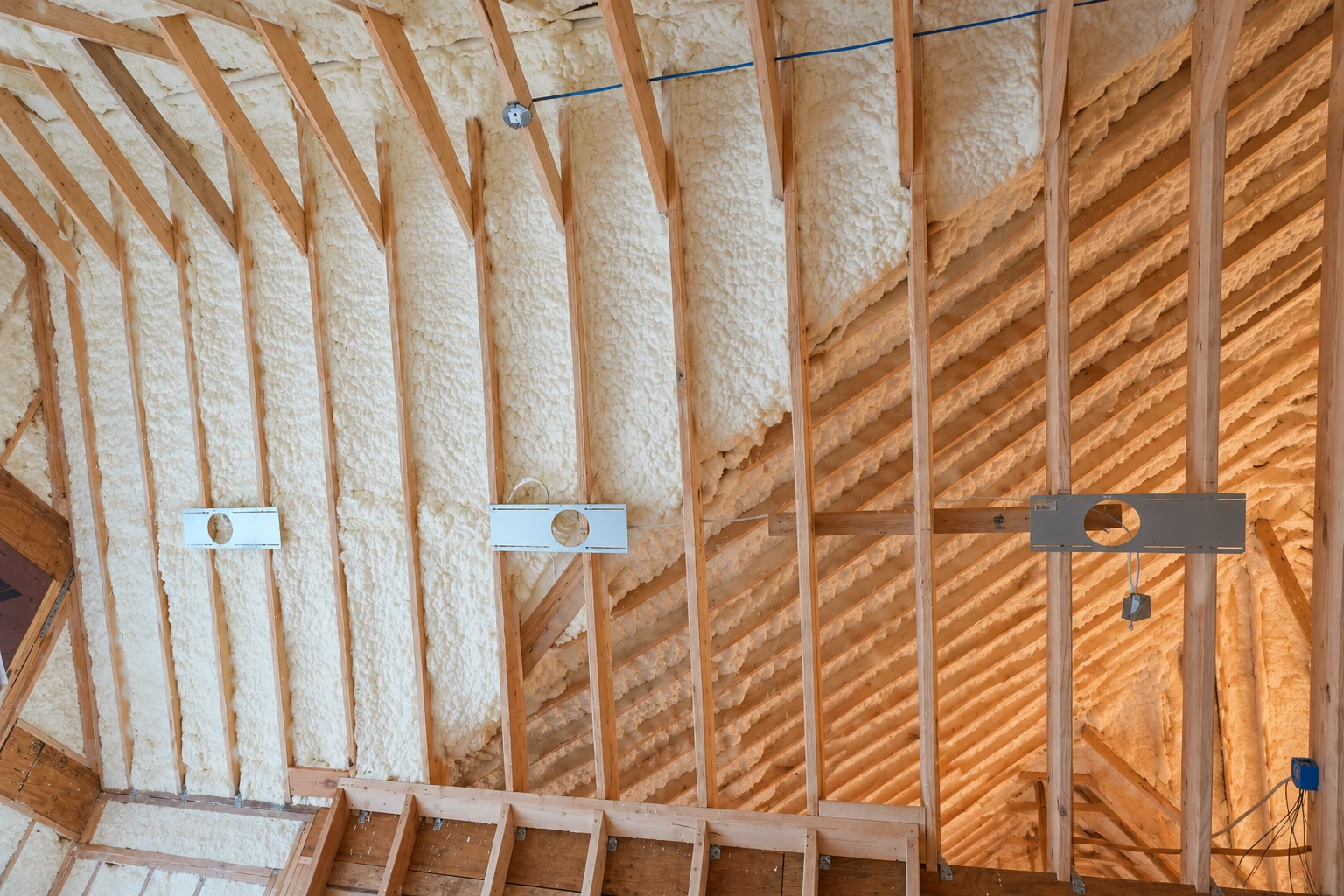
Foam under the roof deck
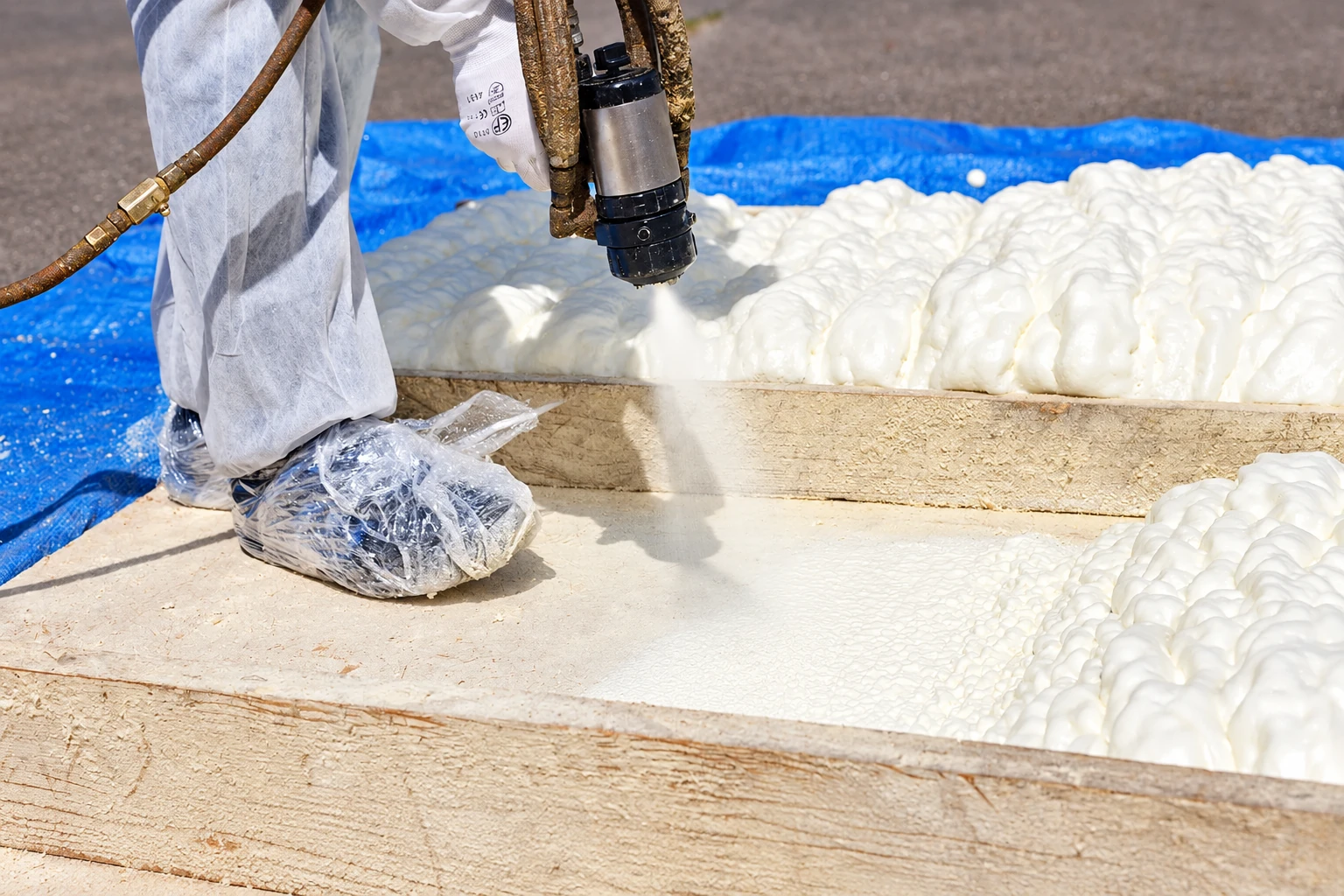
This suits a house with its ducts and air handler in the attic, because foam seals and insulates in one pass and brings that equipment inside the cooled space. It costs more, so when your system lives up there I'll price it next to the attic floor option and you can compare.
Home insulation permits and attics in Fort Walton Beach
Whether your insulation job needs a permit is a question for the city or the county, so the first thing we check is which one your address falls under, because a mailing address doesn't settle that. Inside city limits, the Building Department takes every permit application online through its MGO system and answers permit questions at building@fwb.org or 850-833-9605. When a job needs a permit, we pull it and handle the inspections. Okaloosa County tells homeowners to be wary of any contractor who asks them to get the permit themselves, and to hold final payment until the final inspections are done. That's good advice no matter who you hire.
A lot of houses here have the ductwork and air handler in an attic that bakes all summer and breathes damp Gulf air, so we look hard at the eave vents and at any old insulation that's taken on water. We see the same attics on jobs in Navarre and Destin, and the same order of work holds there.
Insulation work, up close
Why call us for home insulation
The owner looks before quoting
I come out myself, go up in the attic and write the estimate, and I'll tell you what's wrong up there before I try to sell you anything. Our install crew does the work and I check in on jobs as they go, so the person who wrote the plan keeps an eye on it.
Insulating houses here since 2017
I started this business in Fort Walton Beach in 2017, after a good while crawling through attics for other people. By now there isn't much a bad attic can hide from us.
Licensed and insured on every job
We're licensed and insured. That matters when a crew is walking the joists over your ceiling, because the risk shouldn't land on you.
When you call (850) 357-6549 or send us a note, have your address ready, along with roughly how many inches of insulation are up there and whether your air handler sits in the attic.
(850) 357-6549Get an attic-first estimate for your house
We reply within one business day to set a time, and then I come out, look over the attic and write your estimate. It's free and done at your property, and there's no pressure to book.
Home insulation questions from Fort Walton Beach
Where should I add insulation first in my Fort Walton Beach house?
Start with the attic. It's the easiest and most cost-effective place to add insulation in most homes, and the floors, walls and crawl space are worth weighing after it. If your attic is already in good shape, I'll say so and we'll look somewhere else.
How do I know if my attic needs more insulation?
Measure how thick it is. If the insulation up there is less than 6 to 7 inches deep, adding more could help. Check a couple of spots, near the edges as well as the middle, and give us the number when you call.
Why should air leaks be sealed before adding insulation?
Air leaks should be found and sealed before any insulation goes in, because loose fill slows heat but lets air pass right through it. Insulation and air sealing together can save up to 15% on heating and cooling costs, but that's a national average and not a promise for any one house. When you compare quotes, ask each contractor whether air sealing comes first in their plan and their price.
Is a sealed attic better than a vented attic in a hurricane?
In coastal high-wind areas, it usually is. Vented attics have trouble with wind-driven rain, and an unvented conditioned attic, one closed off from outside air and kept inside the cooled space, is the safer setup in a hurricane. It still needs a way to get moisture out, so for a house near the Gulf, weigh storm performance right beside price.
How much does home insulation cost in Florida?
Installed home insulation in Florida usually runs about $1.20 to $6.50 per square foot. Topping up loose fill on an open attic floor tends to sit lower, while foam, tight access or old material that has to come out pushes it higher. That's a statewide figure and not our price, so your own number comes from the estimate after I've seen the attic.
What is the best way to insulate a house with ducts in the attic?
Moving the insulation and air seal up to the roof deck has particularly large advantages when the heating and cooling system sits in the attic. It takes the place of sealing and insulating the attic floor and the ductwork, so the equipment ends up inside the cooled part of the house. It costs more up front, which is why it's worth seeing both options priced side by side.
Plan your home insulation, attic to crawl space
Our phone hours run into the evening every day of the week, so call (850) 357-6549 after work or use the form.